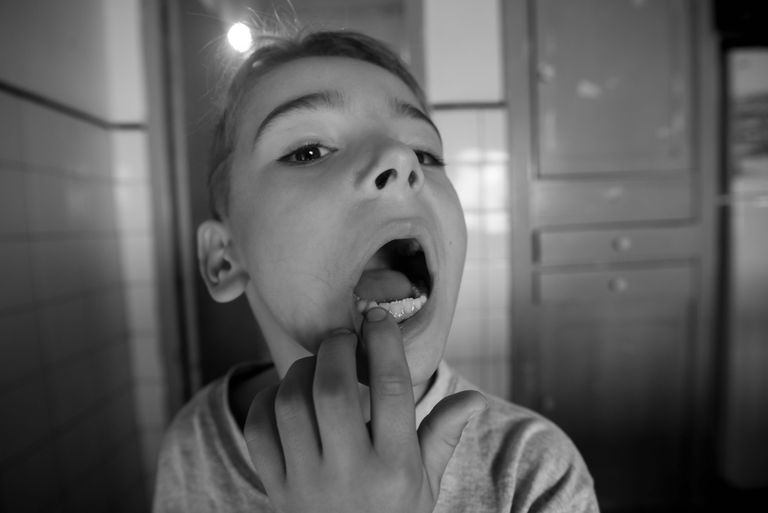
The excitement of new school supplies and fresh starts can quickly give way to academic pressures, social anxieties, and schedule adjustments that affect more than just your child’s mood. September’s return to school often triggers stress-related oral health problems that many parents overlook, mistaking them for normal childhood behaviors.
Recognizing the Warning Signs
Teeth Grinding and Jaw Clenching If your child wakes up complaining of jaw soreness or headaches, they may be grinding their teeth at night. This condition, called bruxism, often intensifies during stressful periods. You might notice worn-down tooth edges, increased tooth sensitivity, or even hear grinding sounds from their bedroom at night.
Nervous Oral Habits Watch for increased nail biting, pen chewing, or lip biting – behaviors that can damage teeth and soft tissues. These repetitive actions often serve as stress outlets but can lead to chipped teeth, jaw problems, and oral infections.
Changes in Eating Patterns Stress can manifest as either loss of appetite or stress eating, both of which affect oral health. Some children may refuse to eat due to stomach butterflies, while others might gravitate toward comfort foods high in sugar and carbohydrates.
The Stress-Oral Health Connection
When children experience stress, their bodies produce elevated cortisol levels, which can suppress immune function and make gums more susceptible to inflammation and infection. Additionally, stress often disrupts sleep patterns, and tired children are more likely to skip proper brushing and flossing routines.
Anxiety can also cause dry mouth, reducing the natural saliva flow that helps neutralize harmful bacteria. Without adequate saliva, children face increased risks of cavities and gum disease.
Supporting Your Child’s Oral Health During Stressful Times
Establish Calming Bedtime Routines Create a peaceful evening ritual that includes proper oral hygiene. Consider playing soft music during brushing time, using a nighttime story routine, or practicing simple breathing exercises together. A consistent, calming routine signals to your child’s body that it’s time to relax.
Address Nervous Habits Gently Rather than constantly reminding your child to stop nail biting or pen chewing, provide alternative stress outlets. Stress balls, fidget toys, or drawing can redirect nervous energy without damaging oral health.
Maintain Nutritious Options Keep healthy snacks readily available and involve your child in meal planning. When they feel some control over food choices, they’re more likely to make better decisions even during stressful periods.
When to Seek Professional Help
Contact your dentist if you notice:
- Visible tooth wear or chips from grinding
- Persistent jaw pain or clicking sounds
- Bleeding gums or mouth sores that don’t heal
- Complaints of tooth sensitivity or pain
- Significant changes in eating habits lasting more than a week
Your dental team can provide custom night guards for teeth grinding, recommend stress-management techniques, and monitor for any damage caused by nervous habits.
Remember, some back-to-school stress is completely normal. By staying alert to these oral health warning signs and maintaining supportive routines, you can help your child navigate academic pressures while protecting their smile. Open communication about their feelings, combined with consistent oral care, creates the foundation for both emotional and dental wellness throughout the school year.