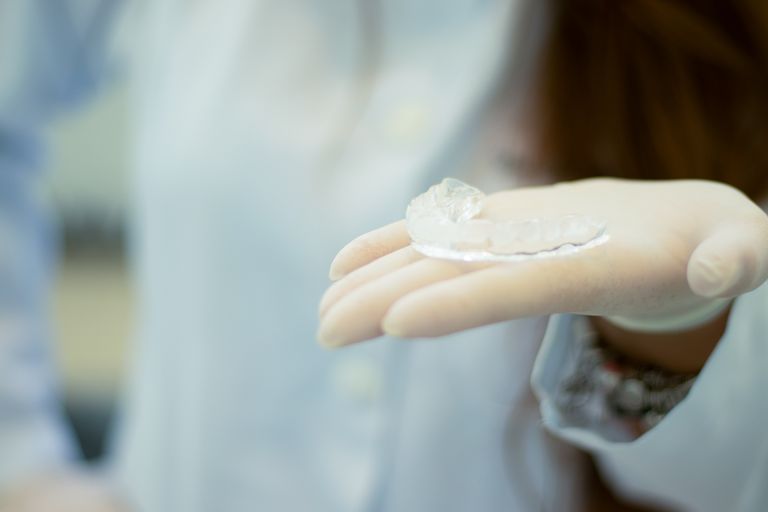
Remember the last time you needed a crown or dental appliance and had to bite down on that goopy, uncomfortable impression material? If you haven’t experienced this recently, you might never have to again. With 57% of dental practices now using intraoral scanners for digital impressions, the era of messy, uncomfortable dental molds is rapidly coming to an end.
The Evolution from Goop to Digital
Traditional dental impressions have remained largely unchanged for decades. The process involved mixing putty-like materials, loading them into trays, and asking patients to bite down and hold still while the material set—often triggering gag reflexes and leaving patients with an unpleasant taste that lingered for hours.
Digital impressions represent a complete paradigm shift. Using advanced intraoral scanners, dentists can now capture incredibly detailed 3D images of your teeth and gums in just minutes, without any messy materials or uncomfortable sensations.
How Digital Impressions Work
The process is surprisingly simple and comfortable. Your dentist uses a small, wand-like scanner about the size of a large electric toothbrush to capture thousands of images of your teeth from multiple angles. These images are instantly processed by sophisticated software to create a precise 3D model of your mouth.
The Scanner Experience: The scanner emits safe LED light and captures detailed images as your dentist moves it around your teeth. You might see the 3D model of your mouth building in real-time on a nearby monitor—many patients find this fascinating rather than stressful.
Real-Time Accuracy: If the scanner misses a spot or needs better detail in a specific area, your dentist can immediately rescan that section. There’s no waiting to discover problems or need for complete do-overs like with traditional impressions.
Patient Benefits That Matter
The advantages of digital impressions extend far beyond eliminating the discomfort of traditional materials.
Comfort and Convenience: No more gagging on impression material or dealing with unpleasant tastes. The scanning process is comfortable enough that even patients with sensitive gag reflexes can typically complete it without difficulty.
Speed and Efficiency: What once took 10-15 minutes of uncomfortable waiting can now be completed in 2-5 minutes. You can breathe normally, swallow, and even take breaks if needed during the scanning process.
Superior Accuracy: Digital impressions capture details down to 20 microns—far more precise than traditional impressions. This accuracy translates to better-fitting crowns, bridges, and other dental appliances that require fewer adjustments.
Immediate Results: Your dentist can review the digital impression instantly, make adjustments if needed, and send the data directly to the dental laboratory. No more wondering if the impression was adequate or worrying about distorted molds.
Faster Turnaround Times
One of the most significant advantages is the dramatic reduction in turnaround times for dental restorations. Traditional impressions required physical shipping to laboratories, which could take days and risk damage or distortion during transport.
Digital Delivery: Digital impressions can be transmitted to dental laboratories instantly via secure networks. Your crown or bridge design can begin immediately, often reducing total treatment time by a week or more.
Same-Day Options: Some practices equipped with in-office milling machines can create certain restorations the same day, eliminating the need for temporary crowns and multiple appointments entirely.
Quality Assurance: Digital files don’t degrade, get lost in shipping, or suffer from handling damage. If adjustments are needed, the original digital model remains perfect for modifications.
Environmental and Economic Benefits
The shift to digital impressions also brings unexpected advantages beyond patient comfort.
Reduced Waste: Traditional impressions generate significant amounts of non-recyclable waste from single-use materials and shipping packaging. Digital impressions eliminate virtually all of this waste.
Cost Efficiency: While the initial investment in scanning technology is significant, practices can reduce costs associated with impression materials, shipping, and remakes due to poor-quality traditional impressions.
What to Expect During Your Next Visit
If your dental practice has adopted digital impression technology, here’s what your experience will likely involve:
- Preparation: Your teeth may be lightly dried, but no special preparation is typically needed
- Scanning Process: The scanner captures images as your dentist moves it around your mouth—similar to a thorough dental examination
- Review: You can often watch the 3D model being created and review the results with your dentist
- Completion: The entire process typically takes less than five minutes
The Future is Digital
As adoption rates continue to climb, digital impressions are becoming the new standard of care. Practices investing in this technology demonstrate their commitment to patient comfort and modern dental care.
The transition from traditional to digital impressions represents more than just technological advancement—it’s a fundamental improvement in the patient experience. By eliminating discomfort, reducing appointment times, and providing superior accuracy, digital impressions make dental care more accessible and pleasant for everyone.
Next time you need a crown, bridge, or other dental restoration, ask your dentist about digital impressions. Your comfort and the quality of your final restoration will thank you for it.