A groundbreaking study released in September 2024 by the CareQuest Institute has revealed a troubling reality: adults with ADHD face significantly higher rates of poor oral health and dental discrimination than the general population. For the estimated 11 million American adults living with ADHD, this research sheds light on challenges that extend far beyond attention and hyperactivity—directly impacting their smiles and overall well-being.
The Numbers Tell a Stark Story
The CareQuest Institute study found that adults with ADHD are 2.7 times more likely to report poor oral health compared to those without the condition. Perhaps even more concerning, they face discrimination in dental settings at rates that should alarm both patients and providers. These findings represent more than statistics—they reflect real barriers that prevent millions from accessing the dental care they need and deserve.
The connection between ADHD and oral health problems isn’t coincidental. The same executive function challenges that affect work, relationships, and daily routines also significantly impact oral hygiene habits and dental care compliance.
Why ADHD Makes Oral Care Challenging
For individuals with ADHD, maintaining consistent oral hygiene routines requires overcoming several neurological hurdles. The condition often affects working memory, making it difficult to remember daily brushing and flossing. Time management challenges mean dental appointments get forgotten or postponed indefinitely.
Executive function difficulties can make the multi-step process of thorough oral care feel overwhelming. Breaking down the sequence—gathering supplies, brushing for two minutes, flossing between all teeth, using mouthwash—requires sustained attention that ADHD brains often struggle to maintain.
Sensory processing differences common in ADHD can make dental experiences particularly unpleasant. The texture of toothpaste, the sound of dental instruments, or the sensation of having someone work in their mouth can trigger sensory overload, leading to avoidance of dental care altogether.
Medication Side Effects Add Another Layer
Many ADHD medications, including popular stimulants like Adderall and Ritalin, can cause dry mouth as a side effect. Reduced saliva production creates an ideal environment for harmful bacteria to flourish, increasing the risk of cavities and gum disease. Some individuals also experience teeth grinding or jaw clenching as medication side effects, further compromising oral health.
Additionally, ADHD can affect eating patterns and food choices. Impulsive eating, forgetting meals (leading to frequent snacking), and gravitating toward processed foods can create additional challenges for maintaining oral health.
Breaking Down Discrimination Barriers
The study’s findings about dental discrimination highlight a serious problem in healthcare accessibility. Adults with ADHD report feeling judged, dismissed, or inadequately accommodated in dental settings. Some describe being lectured about oral hygiene without providers acknowledging the neurological challenges they face.
This discrimination creates a vicious cycle: negative dental experiences lead to avoidance, which worsens oral health problems, reinforcing stereotypes and judgment from dental providers.
Practical Solutions for Better Care
Fortunately, understanding these challenges opens pathways to better outcomes. Adults with ADHD can benefit from simplified routines, visual reminders, and habit-stacking—linking oral care to already established routines like taking morning medication.
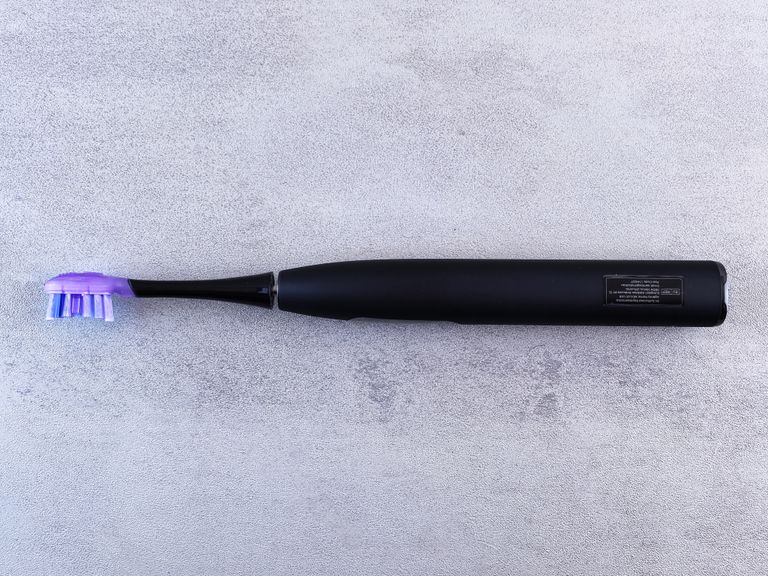
Electric toothbrushes with timers can help with consistency and thoroughness. Setting phone alarms for medication, dental appointments, and daily oral care can overcome memory challenges.
Finding ADHD-Friendly Dental Providers
Seeking out neurodivergent-friendly dental practices can make a significant difference. These providers understand ADHD challenges and may offer accommodations like shorter appointments, sensory breaks, or flexible scheduling. Some practices provide noise-canceling headphones, allow patients to bring comfort items, or offer sedation options for severe anxiety.
Moving Forward with Understanding
The CareQuest Institute study represents an important step toward recognizing oral health as a healthcare equity issue for the ADHD community. By acknowledging these challenges and working to address them—both individually and systemically—we can help ensure that neurological differences don’t become barriers to healthy smiles.
For adults with ADHD struggling with oral health, remember that your challenges are real, valid, and surmountable with the right strategies and support.