With back-to-school photos and late-summer social events on the horizon, August sees a surge in teeth whitening interest. Unfortunately, social media platforms are flooded with DIY whitening “hacks” that range from ineffective to downright dangerous. Before you try that viral whitening trend, here’s what you actually need to know about safely achieving a brighter smile.
The Social Media Whitening Minefield
Scroll through TikTok or Instagram, and you’ll find countless videos promising instant whitening results using household items like baking soda, lemon juice, hydrogen peroxide, or even bleach. These DIY methods often go viral precisely because they seem simple and inexpensive, but the reality is far more complex.
Lemon juice and other acidic substances can actually dissolve tooth enamel, leading to increased sensitivity and higher risk of decay. Baking soda, while mildly abrasive, can wear down enamel over time when used repeatedly. Most concerning are videos promoting the use of household bleach or industrial-strength peroxide – these can cause severe chemical burns and permanent damage to your mouth and teeth.
Understanding Professional Whitening Options
Professional whitening treatments work through controlled application of bleaching agents, typically hydrogen peroxide or carbamide peroxide, in concentrations that are both effective and safe when properly administered. Dentist-supervised treatments can lighten teeth by several shades while minimizing risks of sensitivity and damage.
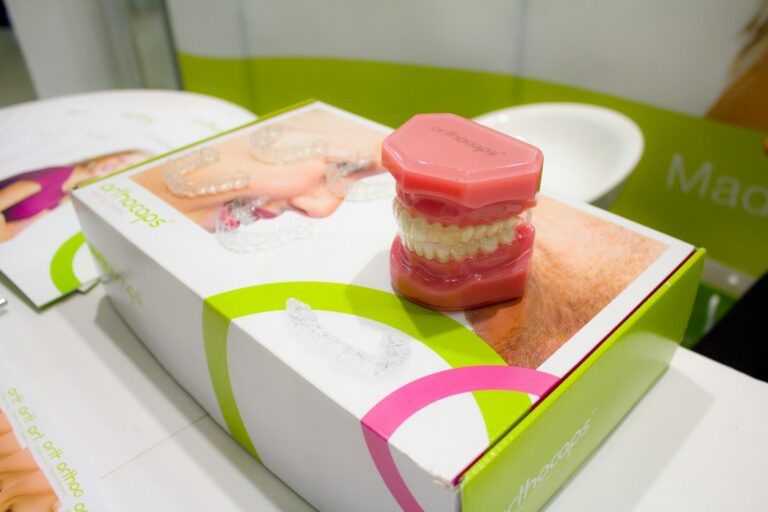
In-office treatments offer the fastest results, typically lightening teeth by three to eight shades in a single session. Take-home professional kits provide more gradual results over one to two weeks but offer the convenience of whitening on your own schedule with custom-fitted trays that ensure even application.
Professional treatments also include desensitizing agents and protective measures for your gums, reducing the discomfort that often accompanies DIY attempts.
Over-the-Counter Reality Check
Store-bought whitening products occupy a middle ground between DIY disasters and professional treatments. Whitening toothpastes can help remove surface stains but won’t dramatically change your tooth color. Whitening strips and gels can provide noticeable results for some people, though they’re less effective than professional treatments and may cause uneven whitening if not applied properly.
The key with over-the-counter products is managing expectations and following directions precisely. These products contain lower concentrations of active ingredients, meaning results develop slowly and may not be as dramatic as professional treatments.
Setting Realistic Expectations
Perhaps the biggest fiction perpetuated by social media is that everyone can achieve Hollywood-white teeth. Natural tooth color varies significantly between individuals, and factors like genetics, age, and previous dental work all influence potential whitening results.
Yellow-toned stains typically respond better to whitening than gray or brown discoloration. Teeth with existing dental work like crowns, veneers, or large fillings may not whiten evenly, as these materials don’t respond to bleaching agents the same way natural tooth enamel does.
Maintaining Your Results
Regardless of which whitening method you choose, maintaining results requires ongoing effort. The same substances that stained your teeth initially – coffee, tea, red wine, tobacco – will continue to cause discoloration over time.
Professional maintenance treatments every six to twelve months can help preserve your results, while good oral hygiene and mindful consumption of staining substances extend the life of any whitening treatment.
The Safety-First Approach
Before starting any whitening regimen, consult with your dentist, especially if you have sensitive teeth, gum disease, or extensive dental work. Your dentist can recommend the most appropriate whitening method for your specific situation and monitor your progress to ensure safety.
If you experience severe sensitivity, gum irritation, or uneven results with any whitening product, stop use immediately and consult your dental professional.
The promise of a brighter smile is appealing, but achieving it safely requires separating social media fantasy from dental reality. Professional guidance ensures you’ll get the best possible results without risking your oral health for a few extra shades of white.