Thanksgiving travel brings joy of family reunions but also presents unique challenges for maintaining oral health. Whether you’re driving across state lines or flying across the country, proper preparation ensures dental problems don’t derail your holiday plans.
Pre-Travel Dental Checkup
Schedule a preventive visit before departure if you haven’t seen your dentist recently. Nothing ruins a holiday faster than a toothache erupting 500 miles from home. A quick examination identifies potential problems before they become travel emergencies.
Inform your dentist about travel plans if you have ongoing dental work. They may accelerate treatment timelines to ensure temporary crowns, partial root canals, or other vulnerable work reaches a stable point before you leave. Traveling mid-treatment invites complications.
Request a prescription for antibiotics if you’re traveling internationally or to remote locations where dental care access is limited. While your dentist likely won’t provide antibiotics without confirmed infection, having a prescription ready for emergencies provides peace of mind in areas with limited healthcare.
Essential Packing List
Never check your dental supplies. Pack oral hygiene items in carry-on luggage to ensure access if checked bags go missing. Include:
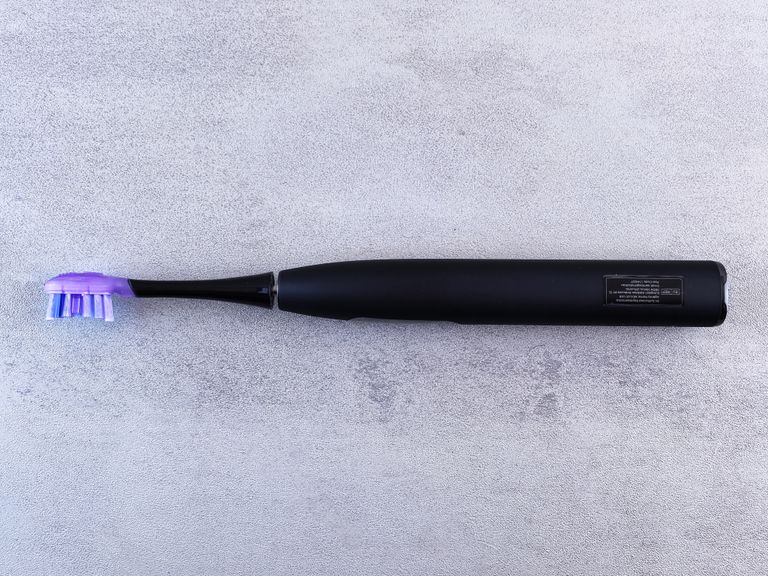
Your regular toothbrush plus a backup, toothpaste (TSA-compliant 3.4 oz or smaller for carry-on), floss or interdental cleaners, any prescription mouthwashes, orthodontic wax if you wear braces, pain reliever like ibuprofen, and temporary filling material from drugstores for lost fillings or crowns.
Bring your dental insurance card and dentist’s contact information. Having this readily available speeds emergency care coordination if problems arise. Photograph insurance cards and store images on your phone for backup access.
Pack a small first-aid kit specifically for dental emergencies: gauze pads for bleeding control, small container with lid for storing knocked-out teeth, dental wax, clove oil for temporary pain relief, and your dentist’s after-hours emergency number.
Maintaining Routines Away From Home
Travel disrupts normal schedules, making it easy to skip brushing or flossing. Set phone alarms as reminders for morning and evening oral care, just as you would for medications. Consistency matters more than perfection—even quick brushing beats skipping entirely.
Keep dental supplies visible rather than buried in luggage. Place your toothbrush near your phone charger or other items you use daily. Visual cues prompt action when you’re tired or distracted by holiday activities.
Different time zones and busy schedules challenge routine maintenance. If you can’t brush immediately after meals, rinse vigorously with water to remove food particles and neutralize acids. Chewing sugar-free gum also stimulates saliva production, providing natural cleaning between proper brushing sessions.
Handling Dental Emergencies While Traveling
For knocked-out teeth, time is critical. Handle the tooth by the crown (not the root), rinse gently if dirty, and attempt to reinsert it in the socket. If that’s impossible, store it in milk or the person’s own saliva and seek immediate dental care. Teeth reimplanted within 30 minutes have the highest survival rates.
Lost fillings or crowns expose sensitive tooth structure to temperature changes and bacteria. Clean the affected area gently, apply temporary filling material from drugstores, and avoid chewing on that side. Clove oil provides temporary pain relief. Seek dental care within 24-48 hours, even if symptoms seem manageable.
Severe toothaches require professional evaluation, but temporary measures include rinsing with warm salt water (reduces inflammation), taking over-the-counter pain relievers as directed, and applying cold compresses to the outside of your cheek. Never place aspirin directly on gums—it causes chemical burns.
Finding Emergency Dental Care
Before traveling, identify emergency dental clinics near your destination. Many dental practices offer after-hours emergency lines, and some hospital emergency departments provide dental services. Save this information in your phone contacts.
Use dental association referral services. The American Dental Association offers a “Find-a-Dentist” tool online that locates practitioners by location and specialty. State dental associations provide similar services.
Contact your regular dentist even while away. They can’t treat you remotely but often provide guidance, call in prescriptions to local pharmacies, or recommend trusted colleagues in your travel area.
Special Considerations
For orthodontic patients, pack your orthodontist’s emergency kit including wax, small tweezers for bracket adjustments, and contact information. Broken wires or loose brackets rarely constitute true emergencies but can cause discomfort during travel.
If you wear dentures or partials, bring cleaning supplies and adhesive. Pack backup dentures if available—damaged or lost prosthetics can’t be easily replaced during short trips.
Travel doesn’t require compromising your oral health. With proper preparation and realistic routines, you’ll return home with your smile intact and memories worth sharing.