The Thanksgiving table overflows with traditional favorites, but not all holiday dishes treat your teeth equally. Understanding which foods support dental health and which pose risks can help you navigate the feast while protecting your smile.
The Surprising Dental Champions
Turkey takes the crown as the MVP of dental health at your Thanksgiving table. This lean protein provides phosphorus and vitamin B12, both essential for maintaining strong teeth and healthy gums. The chewing action required for turkey also stimulates saliva production, your mouth’s natural defense against cavity-causing bacteria.
Cranberries deserve recognition despite their tart reputation. Fresh cranberries contain compounds that prevent bacteria from adhering to tooth enamel. However, this benefit disappears when cranberries are processed into sugary sauces. Opt for homemade versions with minimal added sugar, or better yet, enjoy fresh cranberry relish.
Green beans and leafy salads act as nature’s toothbrushes. Their fibrous texture helps scrub teeth surfaces while you chew, removing food particles and stimulating gums. The high water content in vegetables also dilutes sugars and acids in your mouth.
Cheese plates before dinner aren’t just appetizers—they’re dental protection. Cheese raises the pH level in your mouth, creating an environment where cavity-causing bacteria struggle to survive. The calcium in cheese also strengthens tooth enamel.
The Dental Danger Zone
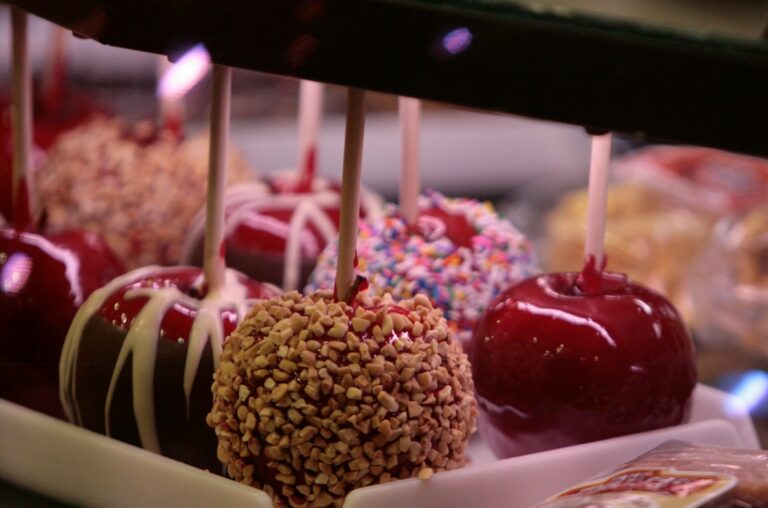
Sticky sweet potato casserole tops the list of dental hazards. The marshmallow topping creates a sugary coating that clings to teeth for hours, feeding harmful bacteria. If you can’t resist, rinse your mouth with water immediately after eating.
Pecan pie and other desserts deliver a double threat: sticky texture plus concentrated sugar. The combination creates an ideal environment for cavities. Time your dessert consumption wisely—eating sweets with your meal is better than grazing throughout the day.
Candied yams and glazed carrots transform healthy vegetables into sugar bombs. The caramelized coating adheres to tooth surfaces, prolonging sugar exposure. Choose roasted vegetables seasoned with herbs instead of sugar-based preparations.
Dinner rolls and stuffing may seem harmless, but refined carbohydrates break down into simple sugars quickly. Starchy foods also tend to get trapped between teeth, creating pockets where bacteria thrive.
Smart Strategies for Holiday Eating
Timing matters significantly. Eating all your treats during the meal is better than grazing for hours. Extended exposure to sugars causes more damage than a single indulgent meal.
Stay hydrated throughout dinner. Water rinses away food particles and sugars while stimulating saliva production. Make water your beverage of choice between alcoholic drinks or sweetened beverages.
Don’t brush immediately after eating. Acidic foods temporarily soften enamel. Wait 30 minutes before brushing to avoid damaging vulnerable tooth surfaces. Rinse with water instead.
End your meal with cheese or raw vegetables. This natural cleanup crew helps neutralize acids and remove food particles before you can brush properly.
Schedule your post-holiday cleaning. Use November’s reminder to book a professional cleaning before insurance benefits reset in January.
The Bottom Line
Thanksgiving dinner doesn’t have to compromise your dental health. Fill your plate with protein-rich turkey, fresh vegetables, and cheese while treating sticky, sugary dishes as occasional indulgences rather than main attractions. Your teeth will thank you long after the leftovers disappear.