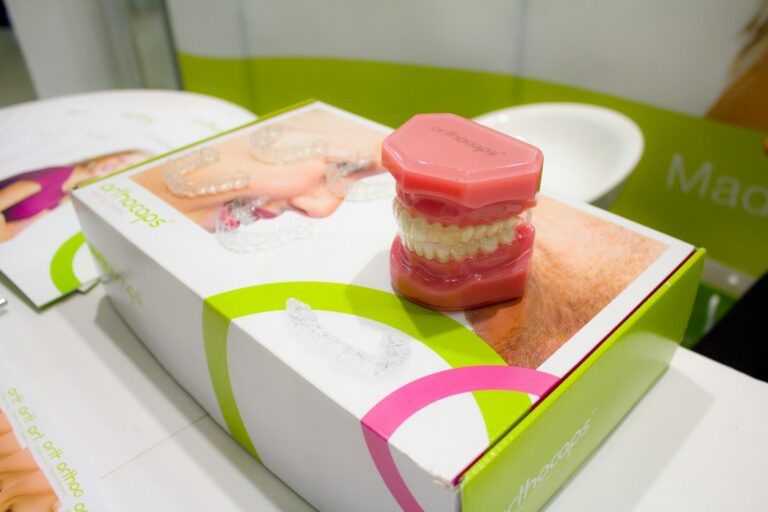
November represents your final opportunity to utilize dental insurance benefits before they vanish on December 31st. Understanding how dental insurance works—and why timing matters—can save you hundreds or even thousands of dollars while improving your oral health.
The “Use It or Lose It” Reality
Most dental insurance plans operate on a calendar-year basis with annual maximums typically ranging from $1,000 to $2,000. This maximum represents the total amount your insurance will pay toward dental care within one year. Here’s the critical part: unused benefits don’t roll over to the next year. That remaining $800 in coverage? It disappears completely on January 1st.
Your deductible also resets annually. If you’ve already met this year’s deductible (usually $50-150), you’re currently paying reduced out-of-pocket costs for procedures. Come January, you’ll pay that deductible again before insurance coverage kicks in. Scheduling treatment in November or December means you avoid paying two deductibles for a single treatment plan.
Which Procedures to Prioritize
Address diagnosed problems immediately. If your dentist has identified cavities, gum disease requiring treatment, or a cracked tooth, don’t delay. These conditions worsen over time, potentially requiring more extensive (and expensive) procedures later.
Complete ongoing treatment plans. Have you started root canal therapy, gotten fitted for a crown, or begun orthodontic work? Finishing these procedures before year-end maximizes your current benefits while potentially satisfying your deductible for more affordable care.
Schedule your preventive care. Most plans cover two cleanings and exams annually at 100%. If you’ve only visited your dentist once this year, schedule that second appointment immediately. Preventive care identifies problems early when they’re simpler and cheaper to treat.
Consider planned cosmetic or major work. Been contemplating dental implants, veneers, or orthodontics? Starting now allows you to use remaining 2025 benefits and continue treatment into 2026, effectively accessing two years of coverage for one treatment plan.
Strategic Planning Across Benefit Years
Smart timing can dramatically reduce costs for major dental work. Suppose you need a dental implant costing $4,000, but your annual maximum is $1,500. By scheduling the initial surgery and consultation in December 2025, you access $1,500 in benefits. Then complete the crown placement in January 2026, accessing another $1,500 from your renewed benefits. This strategy reduces your out-of-pocket expense by $3,000.
Coordinate family coverage strategically. Many families have multiple members needing dental work. Prioritize procedures for family members who haven’t yet maximized their individual benefits. If one child has used their full annual maximum but another has barely touched their coverage, schedule the second child’s treatment before December 31st.
Understanding Your Coverage
Review your Explanation of Benefits (EOB) statements from this year’s dental visits. These documents detail how much of your annual maximum remains available. Can’t find your EOBs? Call your insurance company directly or check their online portal.
Verify coverage percentages for different procedure categories. Most plans cover preventive care at 100%, basic procedures like fillings at 70-80%, and major procedures like crowns at 50%. Understanding these percentages helps you budget accurately for upcoming treatment.
Check waiting periods for major work. Some plans impose waiting periods (often 6-12 months) before covering major procedures for new members. If you recently changed jobs or insurance plans, verify whether waiting periods affect your coverage.
Taking Action This November
Call your dentist today. Appointment availability disappears quickly in November and December as patients rush to maximize benefits. Schedule immediately rather than waiting until December.
Request a treatment plan with cost estimates. Ask your dentist’s office to submit a pre-authorization to your insurance company for any major work. This confirms coverage details before you commit to treatment.
Don’t let insurance limitations prevent necessary care. If needed treatment exceeds your annual maximum, many dental offices offer payment plans. Delaying treatment often leads to more serious problems requiring costlier intervention.
Your dental benefits represent part of your total compensation package. Leaving them unused means leaving money on the table. Schedule your appointment today and make 2025’s benefits work for you.